Singer 533
Singer Manufacturing Company, Model 533 sewing machine
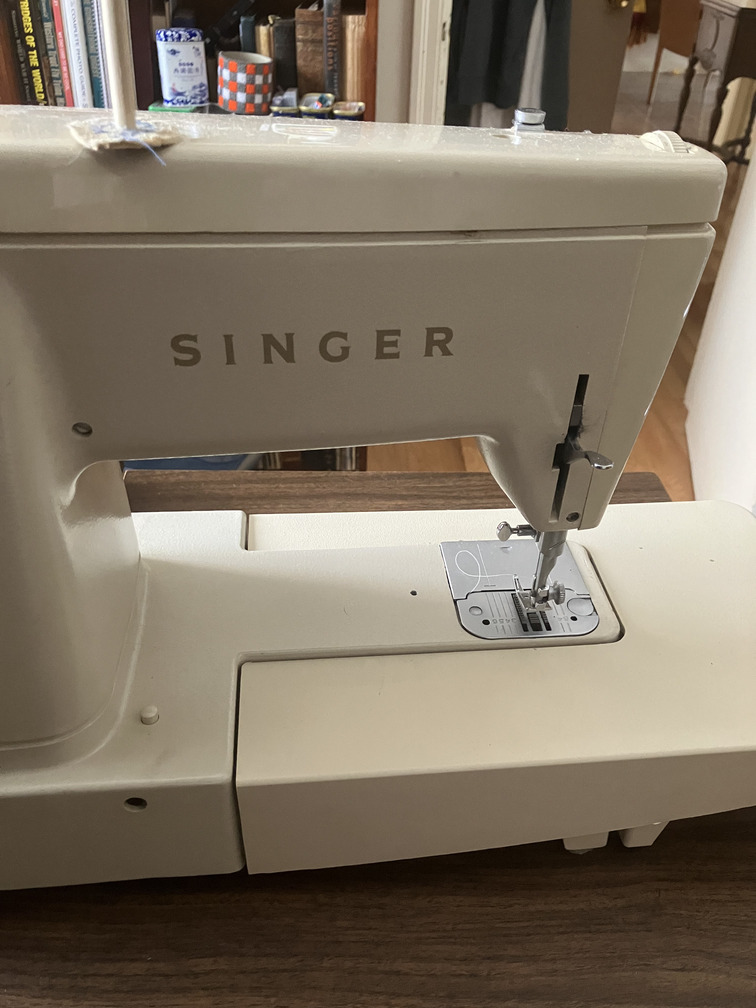
Machine Head
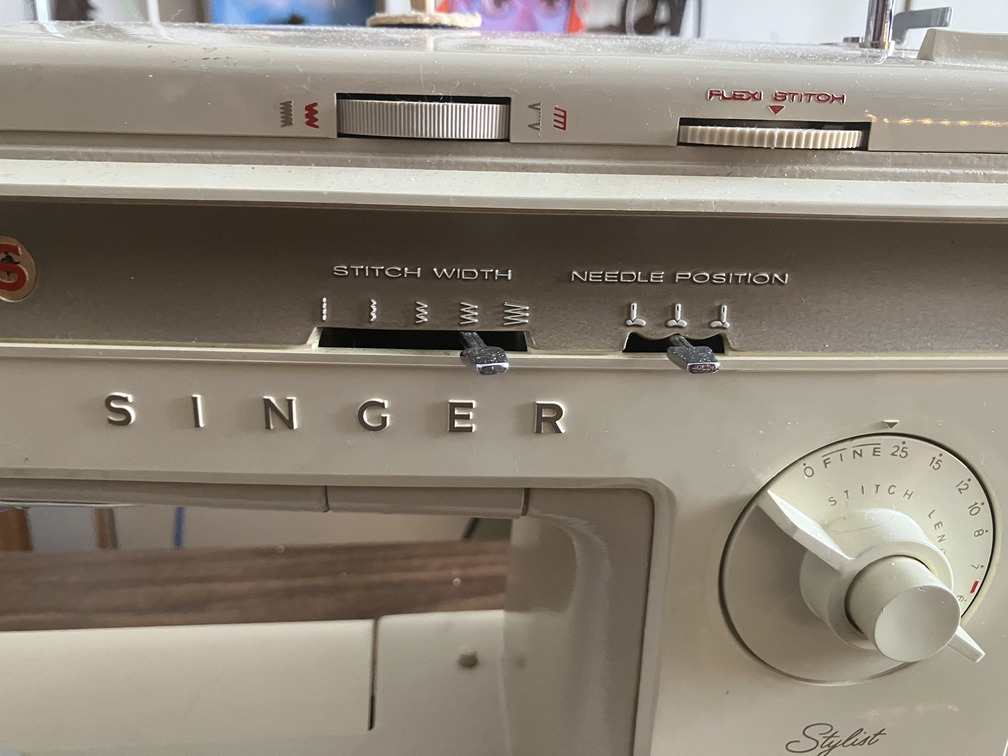
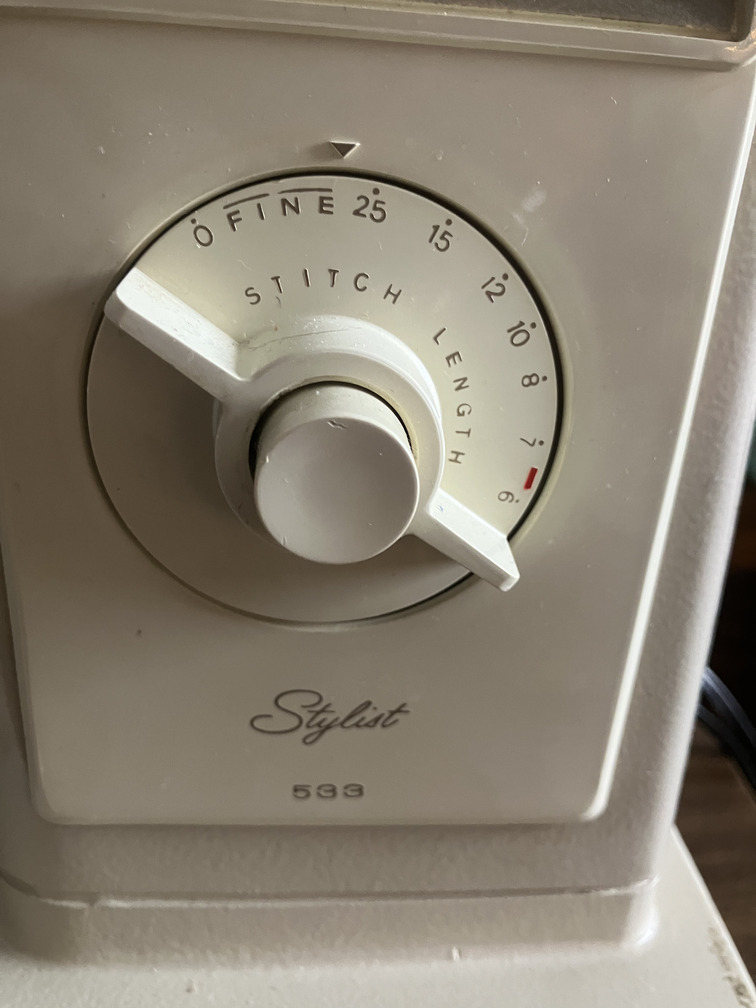
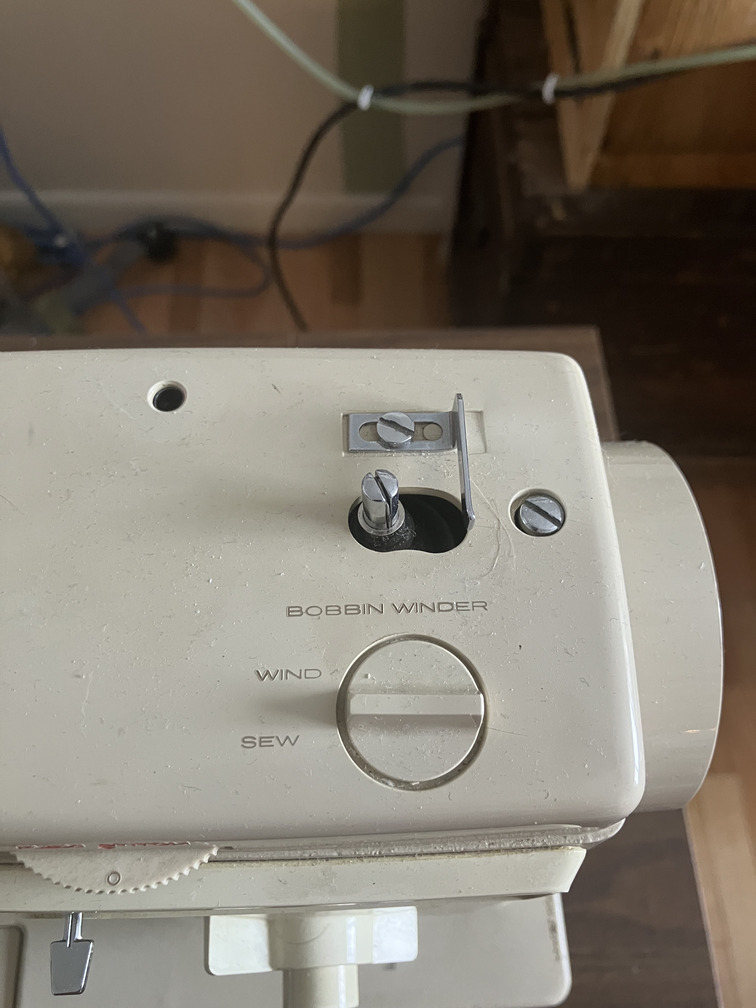
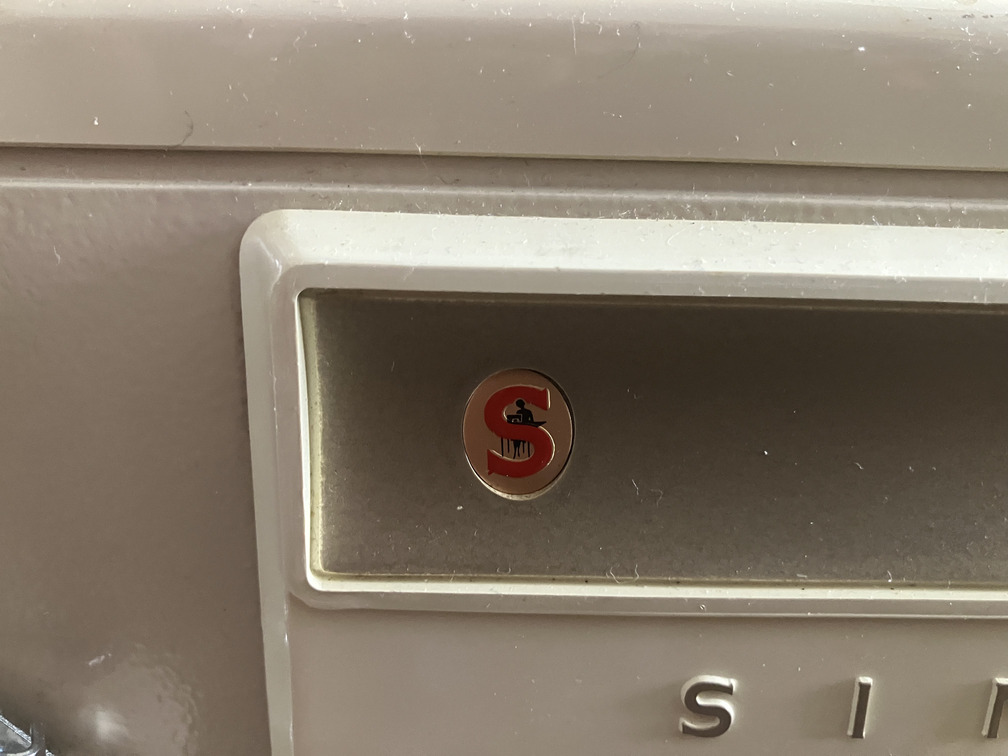
Badge, Serial Number and Decals
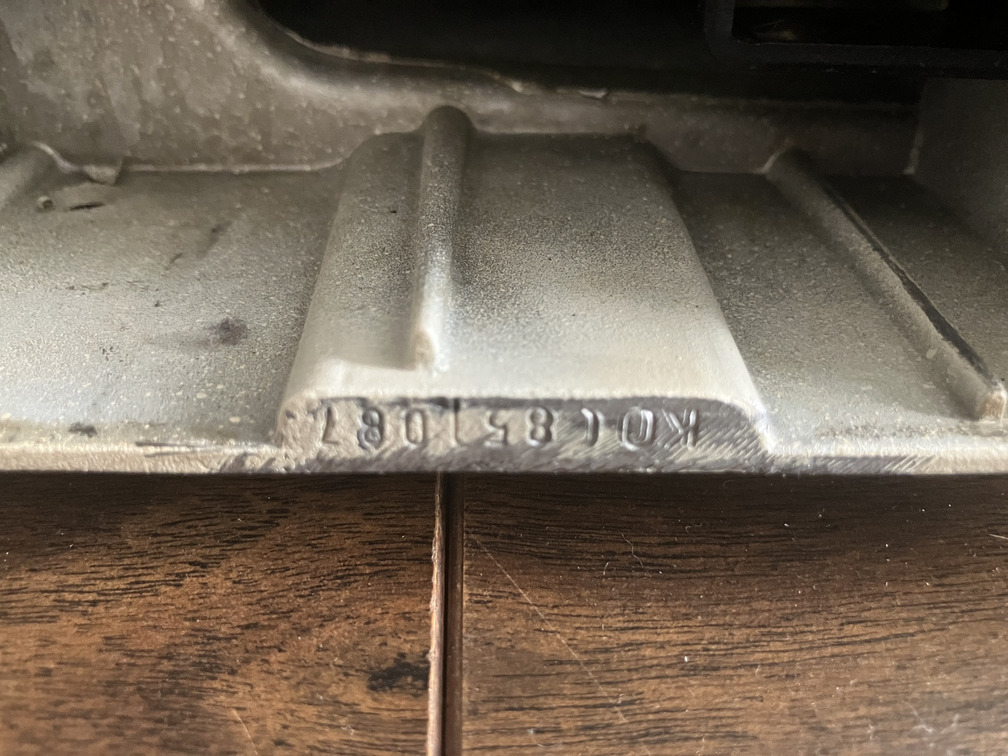
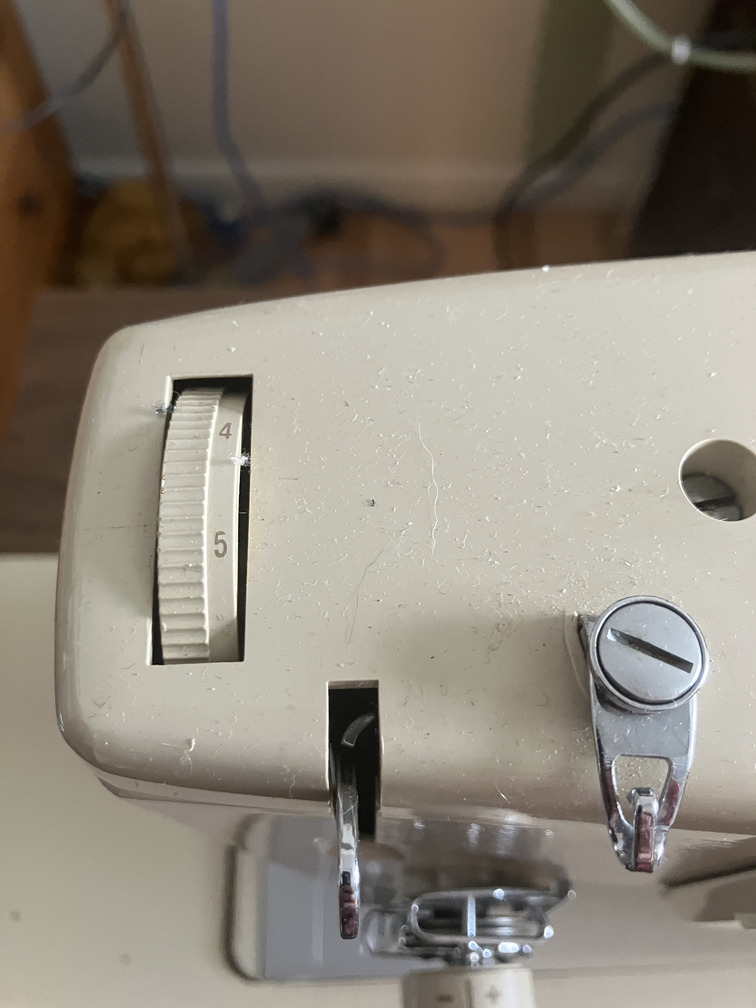
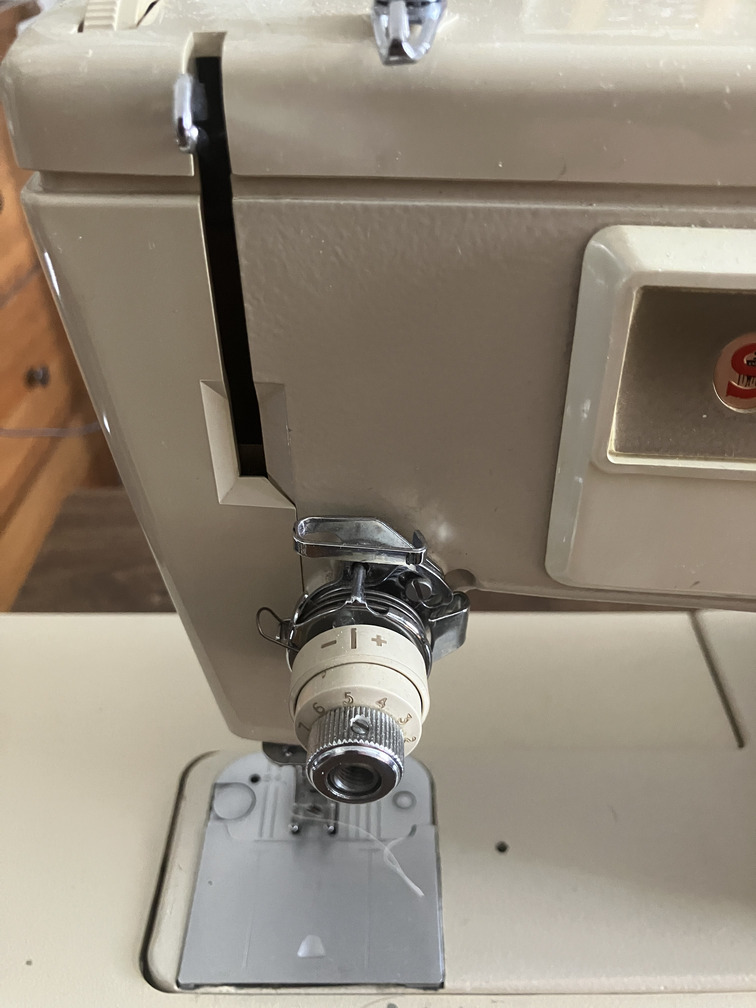
Needle Area and Bed
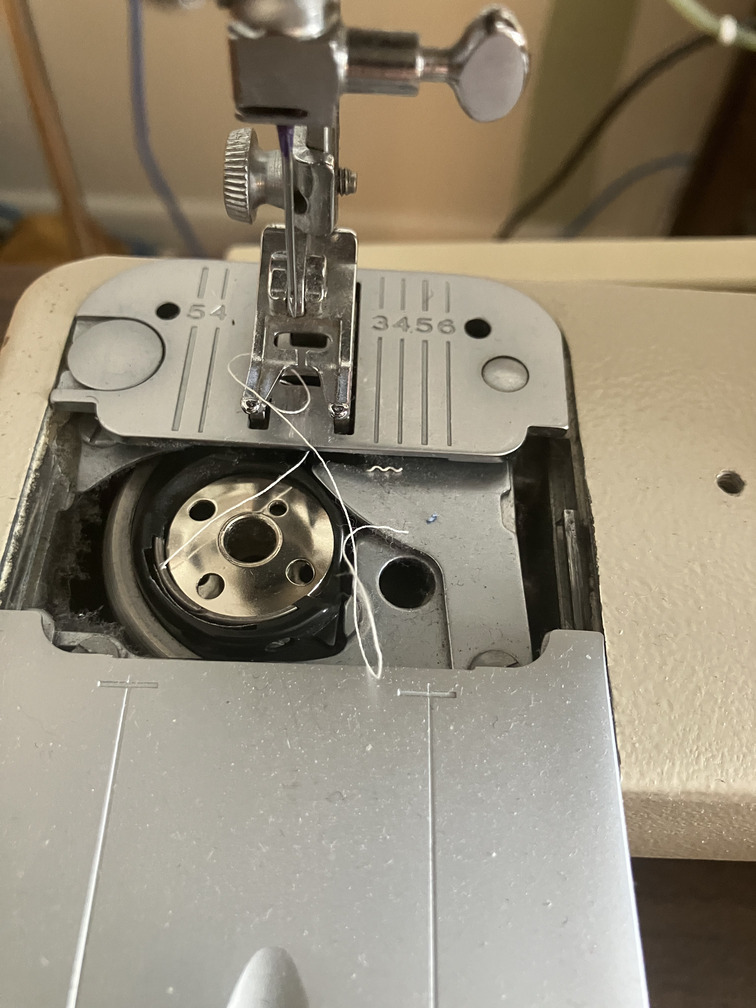
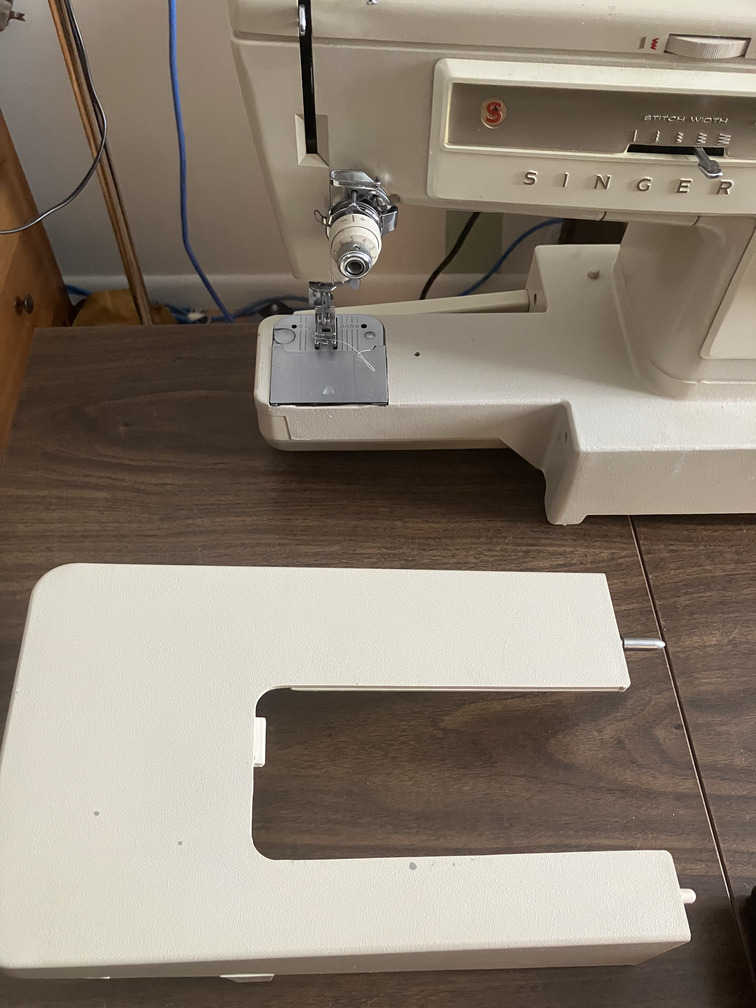
Underside Mechanism
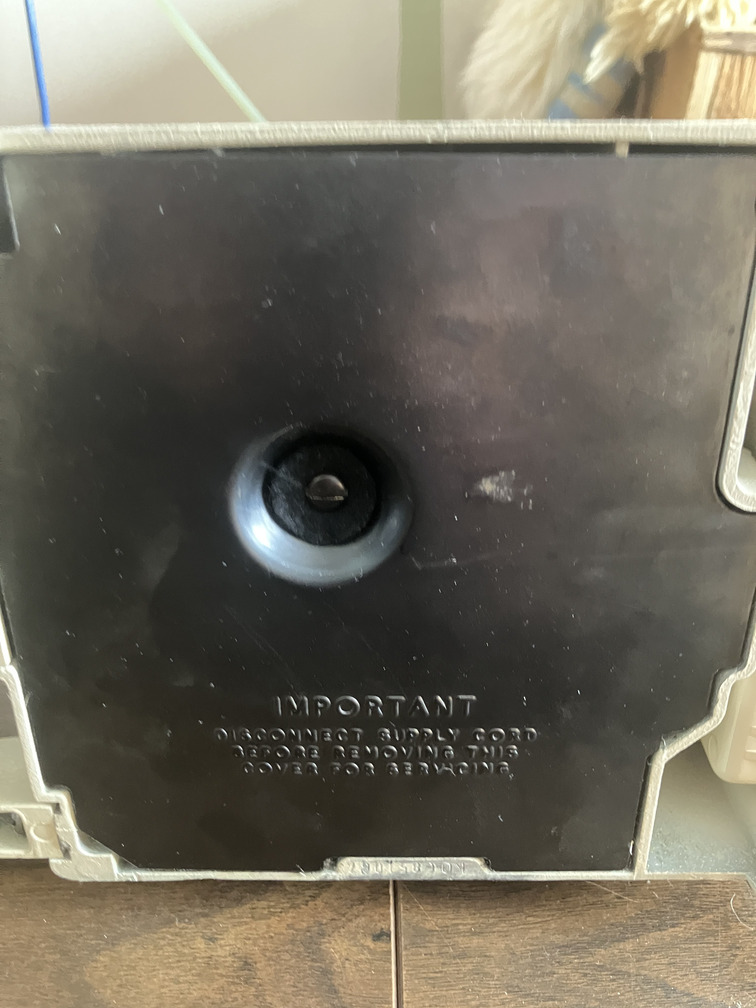
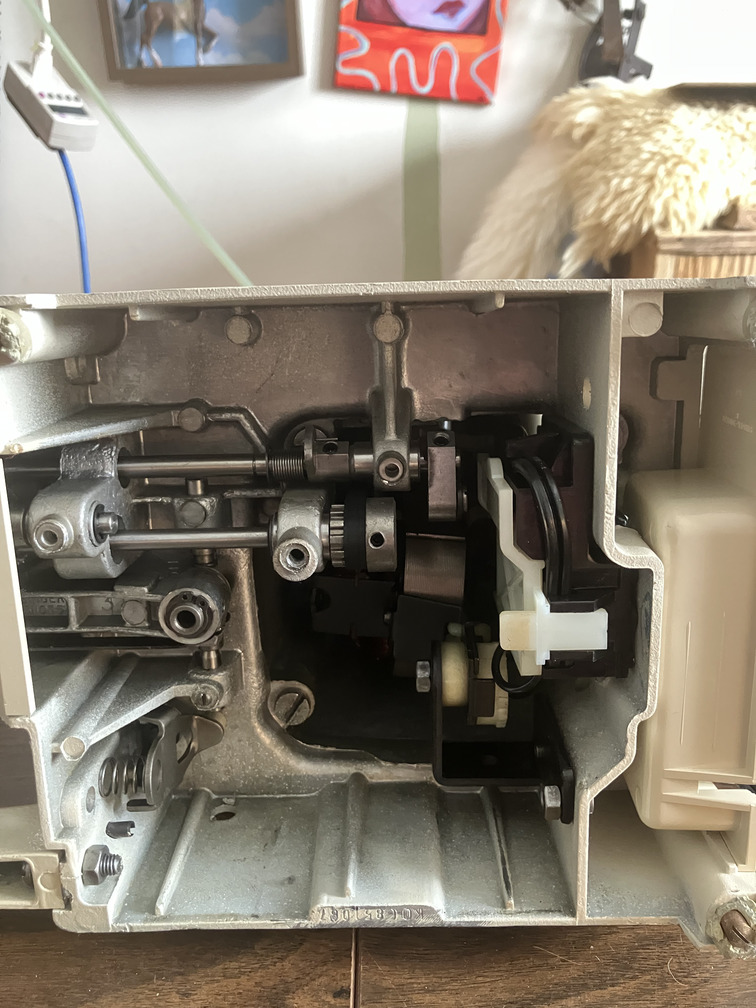
Provenance and History
This machine was purchased at a thrift store in Edmonton, Alberta in February 2026 for less than $50.
The Singer Stylist 533 sewing machine was part of the company’s late-era domestic mechanical lineup, produced during the late 1970s (approximately 1977–1980) as part of the broader 500-series family. These machines were developed at a time when Singer was transitioning from its earlier all-metal, heavy cast-iron designs to lighter, aluminum-bodied models with more modern styling and expanded stitch capabilities. The 533 was a free-arm (tubular bed) zig-zag machine derived from the flatbed 513 Stylist, reflecting a growing emphasis on versatility for home sewers, including garment construction and decorative stitching. Built with an internal motor and a horizontal rotating hook system, it offered convenience and a wider range of functions compared to earlier straight-stitch machines, though it also incorporated some plastic components typical of the era. As a result, the Stylist 533 represents a transitional period in Singer’s history—bridging traditional durability with the emerging consumer demand for lighter, feature-rich, and more affordable household sewing machines.
Condition and Evidence of Use
This machine was clean and required only a small amount of lint removal. The spool holder peg was missing. A wooden one was built to fit and secured. All machine functions were tested and found to be in working order. Apart from minor paint chips and occasional scratches this machine is in very good condition. The plastic cover and carrying case is intact and good condition as well.
Current Status
Status: In care
Location: The Sewing Machine Orphanage, Devon, Alberta
Stewardship Notes
The machine was serviced and oiled upon arrival. Any missing parts were replaced, and it is now fully functional.
Rubber feet were replaced as the existing ones had degraded.
Model Features
The Singer Stylist 533 was designed as a versatile, all-purpose home sewing machine, with features that reflected the growing demand in the late 1970s for flexibility and ease of use. At its core, it is a free-arm zig-zag machine, meaning the removable extension table allows it to convert from a flatbed to a narrow arm for sewing cuffs, sleeves, and other tubular items. It includes a pattern selector and stitch controls that allow the user to choose between straight stitch, adjustable zig-zag, and a range of built-in decorative and stretch “Flexi-Stitch” patterns such as blind hems, ric-rac, and overedge stitches. Stitch length, width, and needle position are all independently adjustable, giving the user precise control over both utility and decorative sewing.
In addition to its stitch versatility, the 533 was equipped with several convenience and performance features aimed at home sewers. It uses an electric motor with foot controller, an integrated sewing light, and a front-access bobbin system with bobbin winder, making operation straightforward. The machine also includes a presser-foot pressure dial, reverse stitching button, and multiple accessory feet (such as zipper and general-purpose feet) to expand its capabilities. It can handle a wide range of materials—from delicate fabrics to denim and even light leather—thanks to adjustable tension and pressure settings. Practical features like twin-needle capability, buttonhole sewing, and stretch stitching made it especially useful for garment construction and repairs, highlighting its role as a feature-rich but still mechanically straightforward domestic machine.
Resources and References
Singer 533 Manual
Singer 533 Instruction Manual (PDF)
Original instruction manual for the Singer 533 sewing machine, available in the collection.
Singer 500 Series Information (SingerSewingInfo.co.uk)
Singer 500 Series Models Overview
This page provides a detailed overview of the Singer 500 series domestic sewing machines, including technical specifications, model variations, and historical context. It is a valuable resource for collectors and anyone interested in the design and evolution of Singer's 500 series machines.
International Sewing Machine Collectors' Society (ISMACS)
About ISMACS
ISMACS is the leading international authority on early sewing machine history, founded in 1985 by a small group of English collectors, and now with members across every continent. The organization maintains the world's finest archive of sewing machine manuals, advertisements, patents, and historical documents—all available to members. ISMACS is recognized and regularly consulted by media, museums, and institutions worldwide. The Society produces a professional magazine featuring research findings, restoration tips, auction details, and detailed histories of pioneering sewing machine companies. Members benefit from annual conventions, auctions, and a welcoming community of world-leading collectors dedicated to preserving and sharing the history of sewing machines.